
A Beginner’s Guide to Exploring UK Nature Reserves
Choosing Your Destination:
Begin your nature reserve adventure by exploring the vast array of options available across the UK. From the rugged beauty of Scotland’s Cairngorms National Park to the serene wetlands of Norfolk, there’s a reserve for every interest and location. Do some research to find out what kind of wildlife, landscapes, and experiences each reserve offers. You might be drawn to coastal reserves with seabird colonies or ancient woodlands filled with rare flora and fauna. Once you’ve chosen your destination, you’re ready for the next steps.
What to Bring:
Packing the right gear is essential for a successful visit to a nature reserve. Consider bringing binoculars to get a closer look at wildlife, a field guide to help identify species, and a pair of sturdy, comfortable walking shoes or boots for exploring the trails. Dress in layers, as weather conditions can change throughout the day. Don’t forget essentials like a water bottle, sunscreen, insect repellent, and a small backpack to carry your supplies.
Visitor Centers and Facilities:
Many nature reserves have visitor centers that serve as gateways to the reserve’s wonders. These centers typically provide maps, brochures, and knowledgeable staff who can offer insights into the reserve’s features and the best places to visit. Information boards along the trails often highlight key species and points of interest. Some reserves even have cafes and picnic areas, making it easy to spend the day exploring.
Wildlife Spotting
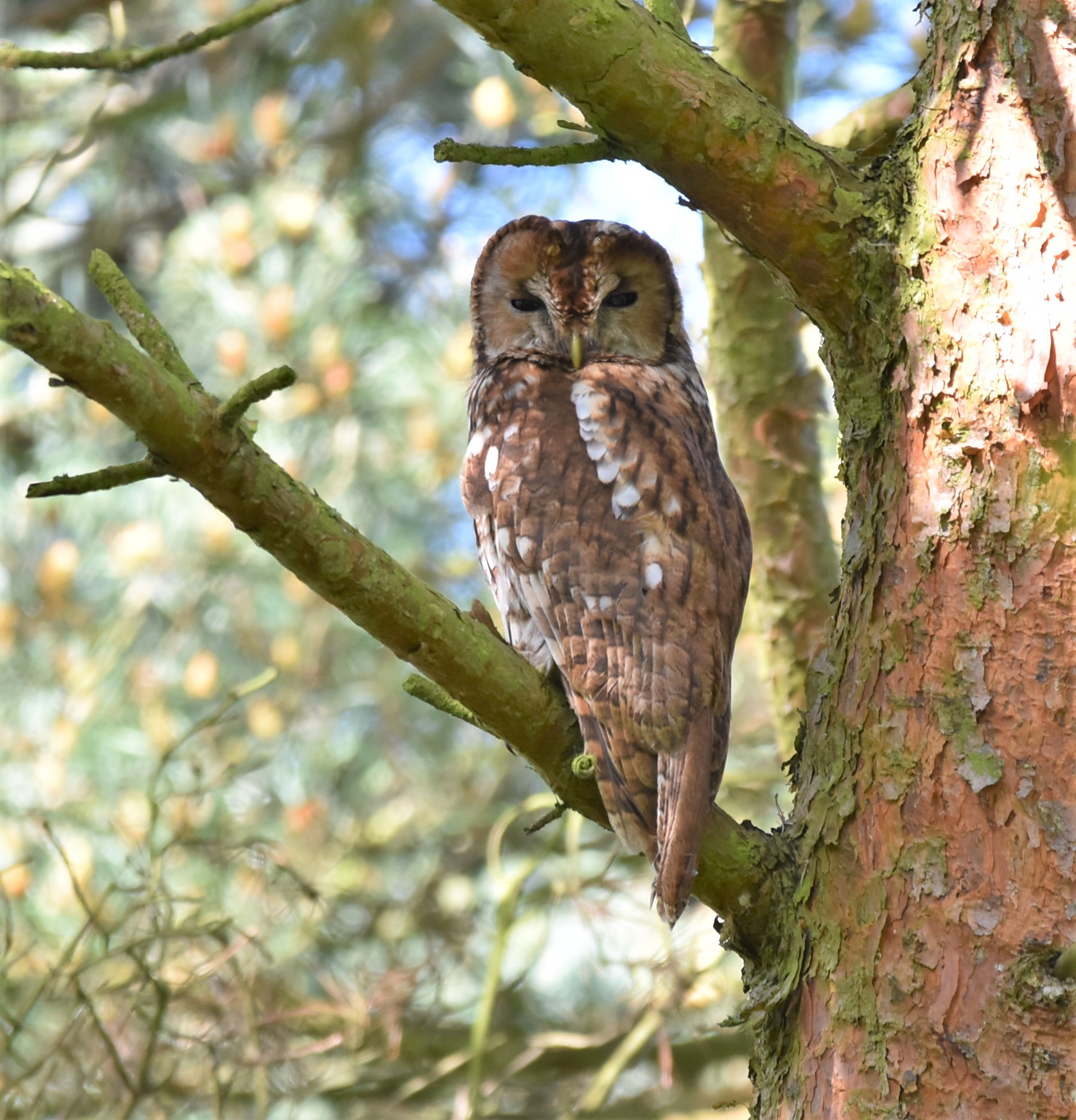
Observing wildlife is a highlight of any nature reserve visit. To increase your chances of spotting animals, practice patience and move quietly along the trails. Bring along a pair of binoculars for a closer look at birds and other distant wildlife. A field guide to local wildlife can help you identify species you encounter, from common birds to elusive mammals. Keep a safe distance from animals and never disturb nests or young animals.
Seasonal Highlights
Nature reserves undergo remarkable transformations throughout the year. Spring brings the return of migratory birds and the emergence of wildflowers. Summer is a great time to spot butterflies and dragonflies. Autumn showcases colorful foliage and deer during the rutting season. Winter offers unique opportunities for birdwatching and enjoying crisp, quiet landscapes.
Walking Trails
Nature reserves often feature a network of walking trails, catering to various fitness levels and preferences. For beginners, choose shorter, well-marked paths that offer beautiful views and easy navigation. Longer, more challenging hikes are available for those seeking a more immersive experience. Be sure to follow any trail guidelines and respect any seasonal closures or restrictions.
Guided Tours
Joining a guided tour or workshop led by experts can enhance your understanding and appreciation of the reserve. Knowledgeable guides can point out hidden wonders, share interesting stories about the reserve's history and ecology, and provide tips on wildlife spotting and photography. These tours are an excellent way to learn while you explore.
Photography Tips:
Capturing the beauty of nature reserves through photography is a rewarding hobby. To improve your nature photography skills, consider attending a workshop or reading photography guides specific to wildlife and landscapes. Key tips include using a tripod for stability, shooting in early morning or late afternoon for soft lighting, and getting down to eye level with wildlife for a more engaging perspective.
Respect for Nature:
Responsible and ethical behavior in nature reserves is crucial to protect the environment and wildlife. Keep to designated trails to minimize habitat disturbance, and avoid picking flowers or disturbing nests and burrows. Keep noise levels low to avoid startling wildlife, and never feed wild animals. Carry out all litter and dispose of it properly.
Planning Your Visit:
Before setting out, check the reserve’s website or contact the visitor center for essential information. Confirm the reserve’s opening hours, any admission fees, and whether dogs are allowed. Look into seasonal events or guided tours that might enhance your visit. Plan your arrival during the reserve’s quieter times, as this can provide a more peaceful and enjoyable experience.
This beginner’s guide provides you with essential tips for your nature reserve adventure, ensuring that you make the most of your visit while respecting the environment and wildlife. Whether you’re a seasoned nature enthusiast or just beginning to explore the wonders of nature reserves, these tips will help you make the most of your experience. Enjoy your journey into the natural world!
